
Say Goodbye To Furry Teeth
POSTED:
May 25, 2025
The hardest part of our recipedevelopment was getting the sweetness right.
Ginger is naturally bitter, and lemonsare naturally sour, so drinks brands fill their products full of sugar tocounteract the strong flavour profiles.
In the alcohol industry, you don’tlegally have to disclose calories or ingredients, so it’s hard to pin-pointexactly how much sugar is in a 500ml bottle of Crabbies or Hooch, but sourcessuch as Nutracheck and Fatsecret UK estimate between 30g and 40g per 500ml.
The result? One-and-done drinks thatleave you with that sugary film covering your teeth.
So, we knew what we did and didn’t want –sweetness but without the furry teeth sensation.
The first option was sucrose. Sucrose isbasically your bog-standard table sugar and the benchmark for sweetnesscomparisons. It’s found naturally in fruits and veggies, so fit in perfectlywith our all-natural strategy. It doesn’t pack the sweet punch needed tocounteract the bitterness and sourness of the other ingredients though, unlesswe wanted the same sugar and calorie levels as competitors. So, it was back tothe drawing board.
Next up – fructose. Fructose is anothernatural sugar, found in fruits, honey and some veggies. It is, however, sweeterthan sucrose (about 1.7x). Without geeking out too hard on the science of it,that’s because fructose binds more effectively to human’s sweet tastereceptors, sending stronger sweet signals to the brain compared to sucrose. So,we swapped out the sucrose for fructose and ended up getting a lot closer toour preferred sweetness levels.
It wasn’t quite there though, and we wereat the upper limits of our preferred calorie and sugar content for thealcoholic ginger beer.
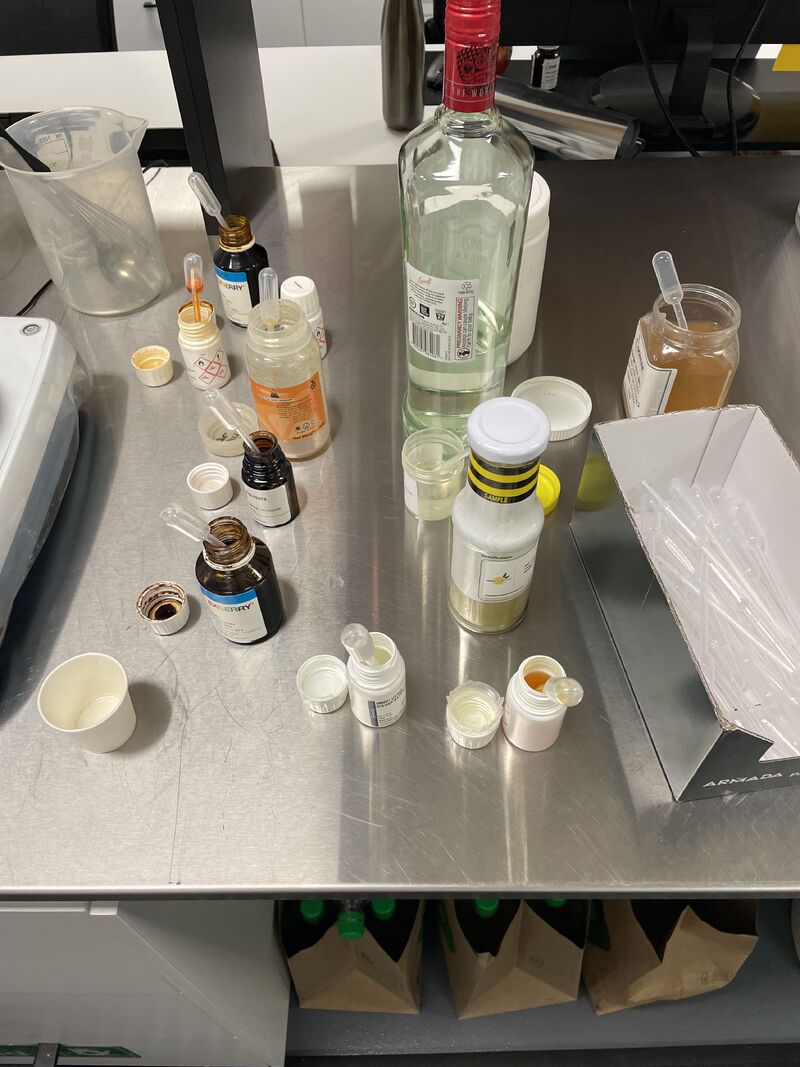
Then the conversations switched tosweeteners. Artificial sweeteners were always a no-go, so research began on thepotential natural sweeteners we could use to top up the sweetness.
One option was erythritol. This is asweetener made from the fermentation of natural sugars, like glucose, usingyeast or fungi. It’s used across the UK, but there was something that didn’tsit right with us. If you use erythritol in your products and it makes up 10%of the product (ours would never get to this level, but still) you had todisclose on your products that excessive consumption may cause laxativeeffects. Imagine, mid-crisp alcoholic ginger beer in the pub garden and yousuddenly have to sprint to the bathroom (or worse, you don’t make it). Far froman ideal Saturday afternoon. Next idea.
Then the news hit. Monkfruit – which has been used across the globe for donkeys – could now be used in commercialproduction in the UK. Why wasn’t it used before 2024? Well, because it wasclassified as a “novel” food. Regulations set in 1997 dictated that if therewasn’t wide use of an ingredient in the UK then it was novel andcouldn’t be used in commercial food and beverage applications. Didn’t makesense to us either.
But if you look at the labels of anyAustralian foods/beverages that champion sugar-reduced or clean-labelledproducts, you’ll see monk fruit. Why? Because not only is it 150-250 timessweeter than table sugar, but it also has zero calories. Cue the geek outagain… and that’s because it’s made up of compounds that aren’t metabolised forenergy by the body.
Win win then – we get the sweetness we’reafter but without excessive sugar content or increased calories. Big up monkfruit.
SIGN UP FOR MORE BEHIND THE SIPS


